

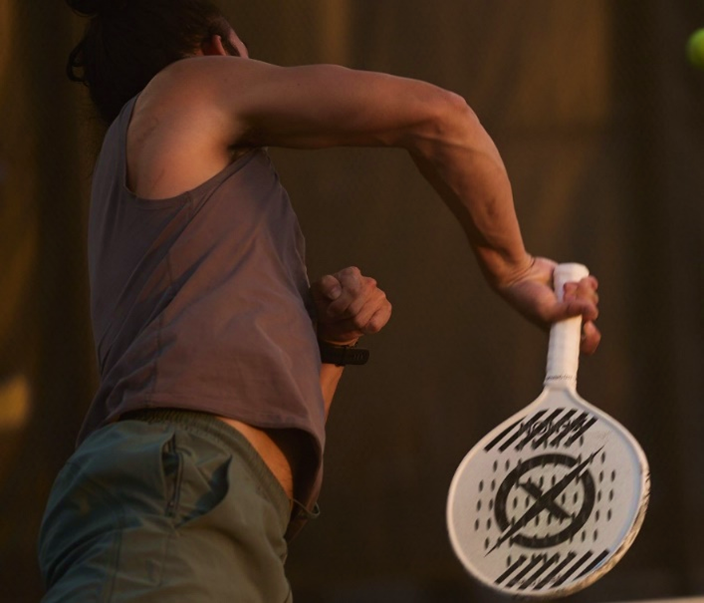
You don’t need to own a paddle or set foot on a court to get tennis elbow—but that doesn’t mean you have to sit on the sidelines, either. This pesky condition from overworked muscles can sneak up during everything from backhands to backspaces (for those e-sports warriors). On the bright side, a few proactive moves both on and off the court can help you dodge the pain and ace the game.
What is Tennis Elbow?
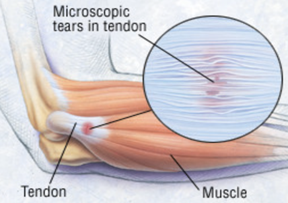
Tennis elbow, often diagnosed as lateral epicondylitis, is a condition that involves inflammation of the tendon on the outer side of the elbow. Tendons connect muscles to the bone to transmit the force from the muscle to move a joint. These tendons work to straighten one’s wrist and fingers. When these actions are done repeatedly, over time they cause wear and tear of the tendon, resulting in muscle strain and inflammation, which commonly arises from racquet sports or excessive wrist use in day-to-day life. It can also be caused by a single traumatic event, such as lifting a heavy object or performing a task with an awkward grasp. The most common symptom is pain and tenderness over the outer elbow. Increased discomfort with wrist extension (bringing wrist back) and forearm supination (turning palm upward) movements, as well as decreased grip strength, may also be noted.
Strategies to Prevent Tennis Elbow
| Activity | Causes | Prevention strategies |
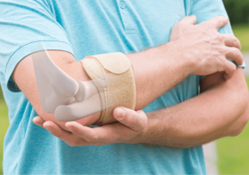
| Pre-game | Poor conditioning of musclesEnvironment/Winter sport | Strengthening exercises Warm-up stretches, essential for outdoor winter sports.Standard progression on-court warm-up: Swinging racquet without volleying, light volleying, and baseline hitting. No need to win warm-up.First games, work on placement vs. power, then start challenging yourself in rallies. Wear counterforce strap 2 finger widths below the painful area (see photo below) |
| During game | Improper technique such as:Poor backhand techniqueAbnormal stroke/swing mechanicsOff-center ball impact location on the racquetImproper equipmentRacquet is too heavy or too largeRacquet grip is too smallPlaying with wet, heavy balls | Proper size racquet for height, weight, age, skill Tip: Have racquet re-gripped for a bigger gripWear counter force strap two finger widths below the painful areaBe mindful of personal pain level—have a mental pain scale from 1-10. Stop playing if you are at 5-10Use two arms (one to steady the paddle if you don’t own a two-handed backhand) when hitting backhand strokes to reduce arm stressTake a grip break—hold the racquet in the other hand in between points |
| Post game | Inadequate recovery | Cool down stretches Heat/Ice RestTip: No need to wear counter force band at rest |
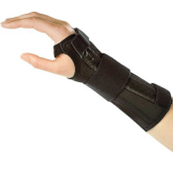
| Daily activities | Heavy liftingRepetitive wrist extension and forearm activities, such as using a screwdriver, painting, or typing | Avoid palm-down lifting, instead try to lift with your palm up Orthotics: Wrist extension splint or counter force strap |
Therapy Interventions
If symptoms persist and are severe, consult a doctor or therapist. Some therapy interventions may include the use of physical agent modalities (heat/ice, ultrasound, or electrical modalities), Kinesio taping, and customised fabrication of orthotics.
Tennis elbow doesn’t have to serve you pain. With the proper technique, strength training, and equipment or gear that matches your game, you can rally against the risks and get back in the swing of things.
Contributors
Zhi Yu is a Certified Hand Therapist and a recent graduate of the Post-Professional Master’s program in Occupational Therapy at Tufts University. She has nine years of clinical experience working in Singapore.
Joelie Hedgespeth is a second-year graduate student in the Doctor of Occupational Therapy program at Tufts University. She is currently completing a certificate in Hand and Upper Extremity Rehabilitation.
Isabelle Sigersmith is a second-year graduate student in the Doctor of Occupational Therapy program at Tufts University. She grew up playing lacrosse and now competes in triathlons.
Janet Brooks, Ph.D teaches in the Department of Occupational Therapy at Tufts University and coaches adapted skiing, cycling, and stand-up paddling. She is a recent paddle tennis enthusiast.
